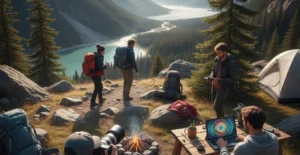

Scale Your Gear Brand with Data-Driven Paid Media Strategies
Quick Summary / Key Takeaways
- Prioritize field-based visual storytelling through high-quality video to stop the scroll on social feeds and demonstrate real-world performance in specific terrain and weather conditions.
- Align your ad spend with seasonal shifts, trip-planning windows, and weather patterns to match buyer timing and demand cycles rather than running static campaigns year-round.
- Focus on intent-based search terms to capture customers ready to purchase technical gear or book guided experiences with clear cost-per-acquisition targets.
- Use retargeting to stay visible during longer research cycles for higher-ticket gear, trips, or equipment upgrades while monitoring frequency and return on ad spend.
- Test niche audience segments like overlanding, backcountry skiing, or trail running instead of relying on broad outdoor interest categories to improve relevance and campaign efficiency.
Introduction

Think of your ad strategy like a multi-day trek. You would not head into the backcountry without a map, and you should not run outdoor industry advertising without clear performance benchmarks, defined audiences, and measurable goals. Digital advertising for outdoor companies requires a blend of rugged authenticity and disciplined budget control. It is about meeting your audience where they plan trips, compare gear, and research conditions, and showing them how your products or services fit that specific use case with messaging that reflects real terrain, season, and skill level.
By combining PPC for outdoor brands with strategic social placements, you can capture high-intent search traffic and reinforce visibility during longer research cycles. This playbook breaks down how to align targeting, creative, seasonality, and budget allocation so you can reach the right outdoor customers at the right stage of their buying or booking journey while maintaining efficient cost-per-acquisition targets.
Outdoor Paid Media Channel Comparison for PPC, Social Ads, and Gear Brand Growth
| Channel | Primary Goal | Best Content | Key Metric |
|---|---|---|---|
| Google Search | High-Intent Demand Capture | Search-aligned product and trip pages | Cost Per Acquisition (CPA) / ROAS |
| Meta Ads | Audience Expansion & Retargeting | Field-based lifestyle video and carousel ads | Cost Per Result / Conversion Rate |
| YouTube | Pre-Purchase Education & Trust | In-field demonstrations, gear reviews, trip walkthroughs | View-Through Rate / Assisted Conversions |
| TikTok | Short-Form Reach & Community Growth | Authentic UGC-style field clips and creator partnerships | Authentic UGC-style field clips and creator partnerships |
Seasonal Paid Media Budget Allocation for Outdoor Brands
| Season | Priority Level | Focus Category | Budget Weight | Strategic Focus |
|---|---|---|---|---|
| Spring | High | Hiking / Camping / Early-Season Trip Planning | 30% | Capture rising search demand and early gear upgrade cycles |
| Summer | Medium | Water Sports / Fishing / Peak Travel Bookings | 25% | Maintain visibility during peak trip and usage season |
| Fall | High | Hunting / Skiing / Cold-Weather Gear Launches | 30% | Align spend with high-intent seasonal buying behavior |
| Winter | Low | Clearance Gear / Gift Bundles / Pre-Season Awareness | 15% | Focus on remarketing and audience building for next season |
Outdoor Paid Media Campaign Setup Checklist (PPC + Social Ads)
- Define clear conversion tracking for purchases, bookings, and lead submissions aligned with revenue and cost-per-acquisition goals.
- Build custom and lookalike audiences from high-intent website visitors, past purchasers, or trip inquiries.
- Create high-resolution lifestyle video assets that show gear or services in real terrain and conditions.
- Set daily budget caps to manage initial spend while testing performance benchmarks.
Outdoor Ad Optimization & Scaling Checklist
- Analyze click-through rates and conversion rates across all platforms to identify channel-level efficiency.
- Rotate stale creatives based on measurable performance decline, not arbitrary timelines.
- Adjust bids based on device performance data and seasonal demand shifts.
- Review search term reports and add negative keywords to protect ad spend and improve targeting precision.
Table of Contents
Section 1: FOUNDATIONS OF OUTDOOR ADS
Section 2: TARGETING AND STRATEGY
Section 3: MEASUREMENT AND ROI
Section 4: ADVANCED TACTICS
Frequently Asked Questions
Section 1: FOUNDATIONS OF OUTDOOR ADS
FAQ 1: What is the core of outdoor industry advertising?
Paid media performance in the outdoor industry depends on how well your creative, targeting, and timing align with real buyer intent. For gear brands, guides, and lodges, that means showing how products or services perform in specific terrain, weather, and trip scenarios, while targeting customers who are actively researching, comparing, or planning through search queries, seasonal demand shifts, and platform behavior.
High-performing campaigns pair field-based visuals with clear specifications, trip context, and pricing clarity. When your messaging reflects real outdoor conditions and your targeting matches seasonal search demand, you improve both visibility and cost-efficiency across search and social channels.

FAQ 2: How does PPC for outdoor brands differ from general retail?
PPC for outdoor brands centers on intent-driven, activity-specific keywords rather than broad retail terms. Outdoor buyers often search for detailed features, such as waterprof ratings, pack weight, insulation type, or terrain compatibility, which signal comparison-stage or purchase-stage intent. Your campaigns should reflect those technical queries while aligning ad copy and landing pages with real-world use cases and seasonal demand patterns.
Unlike general retail, outdoor purchasing cycles are often seasonal and research-heavy. Structuring campaigns around long-tail search terms, terrain context, and trip planning timelines helps attract qualified traffic and improve cost-efficiency at the keyword level.
Section 2: Foundations of Outdoor Ads
FAQ 3: Which social platforms work best for gear companies?
Meta and YouTube continue to deliver strong results for outdoor gear brands because they combine visual storytelling with detailed audience targeting and measurable conversion tracking. Instagram supports terrain-based imagery, short product demos, and seasonal launches, while YouTube performs well for in-depth gear reviews, side-by-side comparisons, and field testing content that influences purchase decisions during longer research cycles.
TikTok can expand reach within niche communities, such as trail running, overlanding, or backcountry skiing, when content feels authentic and performance-focused. The right platform mix depends on your product category, price point, and research cycle length, as well as your cost-per-acquisition targets.
Section 3: Targeting and Strategy
FAQ 4: How do you target weekend warriors vs hardcore enthusiasts?
Segmenting outdoor audiences starts with intent signals, not assumptions. Use search queries, past purchases, content engagement, and on-site behavior to distinguish casual participants from technical, performance-driven buyers at different stages of the research cycle.
Weekend-focused audiences often respond to messaging around ease of use, versatility, and trip-ready convenience. Experienced enthusiasts typically compare specs, materials, weight, durability, and terrain suitability before making a decision. Structure campaigns so that ad copy, creative, and landing pages reflect the depth of information each segment expects and the level of detail they actively search for.
Platform data, such as interest clusters, brand affinities, and previous interactions, can help refine these segments further. The goal is alignment between expertise level and message clarity to improve click-through quality and conversion performance.
FAQ 5: What role does seasonal timing play in ad spend?
Seasonal timing directly impacts paid media efficiency for outdoor brands. Demand for gear and guided trips follows predictable research and booking patterns, often beginning weeks before peak usage. Monitoring search trends, booking windows, and historical conversion data helps determine when to increase spend, shift creative focus, and when to scale back.
For example, winter gear research may begin in early fall, even if purchase volume peaks later. Allocating a budget ahead of peak demand allows you to capture early researchers and remain visible as intent increases across search and social platforms. Aligning spend with seasonal search behavior improves cost control and conversion performance.
FAQ 6: How can video content improve digital advertising for outdoor companies?
Video improves digital advertising performance by showing gear and services in real conditions, terrain, weather, setup time, and field use, rather than relying on static images alone. For outdoor brands, this helps buyers evaluate durability, fit, packability, and performance before they click through to purchase or book based on realistic expectations.
Short-form clips work well for awareness and audience testing on social platforms, while longer product demonstrations, comparison videos, or trip walkthroughs support mid- and lower-funnel decisions. When paired with intent-based targeting, seasonal timing, and clear landing pages, video can improve engagement quality and conversion rates while supporting stronger paid media efficiency.
FAQ 7: What are the best keywords for technical outdoor gear?
The most effective keywords combine specific product categories with performance-based modifiers and terrain context. Instead of broad terms like “hiking jacket,” target phrases such as “lightweight waterproof hiking jacket for alpine rain” or “four-season mountaineering tent under 5 lbs.” These queries signal higher purchase intent and clearer use cases within competitive search environments.
Include modifiers tied to weight, insulation type, waterproof rating, pack size, temperature range, and activity level. Layer in trip-specific or terrain-based searches, such as backcountry skiing, thru-hiking, or overlanding, to narrow targeting and improve relevance at the keyword and landing-page level. This precision reduces wasted spend and increases the likelihood of attracting comparison-stage buyers.
Section 4: Measurement and ROI
FAQ 8: How do you measure ROI for high-ticket items like kayaks?
High-ticket outdoor purchases rarely convert on the first click. Buyers often research across search, social, email, reviews, and comparison content before committing. To measure return accurately, track the full customer journey rather than relying only on last-click attribution or single-channel reporting.
Use longer attribution windows and multi-touch models to understand how awareness campaigns, retargeting, and branded search contribute to final conversions. Monitor assisted conversions, cost per acquisition, and return on ad spend across channels with consistent reporting benchmarks. If your sales process includes dealer inquiries or in-store purchases, connect lead form tracking or offline conversion data to your ad platforms for a clearer performance picture.
FAQ 9: Why is retargeting essential for the outdoor buyer’s journey?
Retargeting matters because outdoor buyers rarely purchase technical gear or book guided trips on their first visit. They compare specs, read reviews, check terrain suitability, and watch field demos before making a decision. Retargeting keeps your brand visible as they move through that research cycle and continue evaluating options.
For outdoor brands, retargeting should reflect behavior, not guesswork. Serve spec-focused messaging to product-page visitors, trip-date reminders to booking-page viewers, and comparison content to users who engaged with reviews or guides. This approach reinforces relevance and improves paid media efficiency across longer, research-heavy buying timelines.
FAQ 10: How do privacy changes affect outdoor industry advertising?
Privacy updates like iOS tracking restrictions and browser-level cookie limitations have reduced the reliability of third-party tracking, pushing outdoor brands to rely more on first-party data. That means strengthening on-site tracking, capturing email sign-ups, collecting trip inquiries, and building customer lists directly through your website.
For gear brands, guides, and lodges, first-party data becomes your long-term targeting asset. Email subscribers, past purchasers, trip planners, and content engagers can be segmented and reactivated across search and social. Offer clear value, such as trail guides, gear checklists, early access to launches, or seasonal trip alerts, in exchange for contact information.
Section 5: Advanced Tactics
FAQ 11: What creative elements resonate most with outdoor audiences?
Authenticity, terrain context, and technical clarity are the three creative pillars that resonate most with outdoor audiences. High-quality imagery that shows real landscapes, wind, weather, elevation, and water grounds your brand in real conditions rather than staged environments. Close-up shots of stitching, materials, hardware, and setup details support the performance questions serious buyers ask before purchasing or booking.
Using real guides, athletes, customers, or field teams in authentic trip scenarios builds credibility and reinforces brand trust. When creative balances wide-angle terrain visuals with clear product specs and use-case context, it supports both emotional connection and informed decision-making while improving ad relevance and engagement quality.
FAQ 12: How should brands handle weather-triggered advertising?
Weather-triggered advertising lets outdoor brands adjust bids, budgets, and creative based on real-time local conditions and regional search demand. For example, you can increase visibility for rain shells ahead of a storm system or highlight cooling layers during sustained heat. This aligns your messaging with immediate outdoor conditions and high-intent search behavior.
For guides and lodges, weather-based shifts can also promote trip availability, safety messaging, or seasonal readiness content tied to current forecasts. When implemented with clear rules and performance thresholds, automation reduces manual guesswork while keeping campaigns responsive to changing demand and protecting budget efficiency.
FAQ 13: Is influencer whitelisting effective for outdoor brands?
Influencer whitelisting can be effective when it pairs authentic field content with paid distribution and clear performance goals. Running ads through a guide’s, athlete’s, or creator’s handle often feels more like a firsthand recommendation than a traditional brand placement, especially when the gear is shown in real terrain and real use.
For outdoor brands, the value comes from combining creator credibility with controlled targeting and measurable performance tracking. Whitelisting allows you to test audiences, scale high-performing posts, and align messaging with specific activities or trip scenarios while monitoring cost per acquisition and engagement quality. Results depend on audience fit, content quality, and clear performance benchmarks, not just reach.
FAQ 14: How do you balance brand storytelling with direct response?
Balancing storytelling and direct response starts with mapping creative to buyer intent and measurable campaign objectives. Top-of-funnel campaigns should highlight terrain, field experience, and the purpose behind your brand. Mid- and lower-funnel campaigns should shift toward product specs, trip details, pricing clarity, and clear next steps.
For outdoor brands, storytelling builds relevance; direct response captures demand. When awareness content is aligned with search intent and retargeting flows, you create continuity from first impression to final conversion across search and social channels. Use performance data, engagement rates, assisted conversions, and cost per acquisition to determine when to lean into narrative and when to prioritize offer-driven messaging.
FAQ 15: What common mistakes should outdoor brands avoid in PPC?
One of the most common mistakes is relying on overly broad keywords that attract low-intent traffic and drain the budget. Outdoor buyers search with specific use cases, terrain context, and performance modifiers, ignoring that intent leads to wasted spend and weaker return on ad spend. Another issue is letting creatives run too long without a performance review, which can lead to audience fatigue and declining engagement across search and social campaigns.
You should also avoid overlooking your mobile experience, since many outdoor customers research gear, check trip dates, or compare specs on their phones in the field or during trip planning. Finally, failing to build and maintain a negative keyword list allows irrelevant searches to erode efficiency over time and inflate cost per acquisition.