
Building Digital Basecamps for Adventure Gear and Guide Services
Quick Summary / Key Takeaways
- Prioritize mobile-first navigation because hikers, anglers, and travelers often research gear or book trips while planning routes or checking conditions on their phones and expect fast, intuitive access to key information.
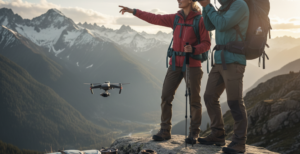
- Use high-resolution, authentic imagery that shows products and services in real terrain and weather, not staged studio backdrops, to reinforce credibility and align visuals with real trip scenarios your audience searches for.
- Optimize page load speed so your site performs reliably, especially for users browsing in low-signal or rural areas where connection speed can directly affect booking or purchase decisions.
- Implement clear, activity-aligned calls to action that guide visitors toward booking a trip, requesting availability, or purchasing gear without cluttering the experience or interrupting the planning flow.
- Highlight the guides, makers, terrain, and field experience behind your brand to connect expertise with real-world outcomes and strengthen long-term authority within your niche.
Introduction

Think of your website as a digital basecamp. It is where customers gear up, research routes, compare equipment, or plan their next trip, and decide whether your brand understands their terrain and goals. If the experience feels clunky or resembles a generic corporate template, you lose credibility with an audience that values function and authenticity over polish alone.
Effective web design for outdoor brands requires a balance of performance, clarity, and field-tested storytelling. You need a site that performs reliably under real-world browsing conditions and clearly communicates terrain, skill level, seasonality, and gear specifications in a way that aligns with search intent. We focus on building structured, search-aligned experiences that help outdoor brands turn research traffic into bookings, purchases, and long-term engagement through measurable visibility and engagement metrics.
Core Website Features for Outdoor Brands That Strengthen Search Visibility and Conversion Paths
| Feature | Strategic Purpose | Customer Benefit | Priority |
|---|---|---|---|
| Field-Based Video | Demonstrate real-world performance and terrain context aligned with search intent | Clear proof of durability and use case | High |
| Mobile-Optimized Booking or Checkout | Capture high-intent users researching or reserving on mobile during active trip planning | Seamless trip planning and purchasing | Critical |
| Detailed Gear Guides and Trip Resources | Detailed Gear Guides and Trip Resources | Confident, informed buying decisions | Medium |
| Advanced Filtering by Activity, Terrain, or Season | Align site structure with how customers evaluate gear and compare options | Faster product discovery and stronger conversion flow | High |
Website Performance Benchmarks for Outdoor Brands Focused on Visibility, Engagement, and Revenue Impact
| Metric | Industry Average | Strategic Target | Impact |
|---|---|---|---|
| Load Time | 3.5 Seconds | Under 2 Seconds | Lower Bounce Rate and improved crawl efficiency and search visibility |
| Mobile Conversion | 1.2% | Above 2.5% | Higher Revenue from trip planners and gear buyers researching on mobile |
| Average Session | 2:15 Minutes | Over 4:00 Minutes | Better Engagement across guides, gear pages, and booking flows that reflect deeper research behavior |
| Cart Abandonment | 75% | Below 60% | Increased Sales through optimized checkout experience and clearer purchase paths |
Outdoor Website Launch Checklist for Visibility and Performance
- Test all navigation links on mobile devices to ensure easy thumb-tapping for users planning trips or checking gear in the field under real browsing conditions.
- Verify that high-resolution images are compressed for fast loading while maintaining realistic terrain detail that supports product evaluation.
- Confirm that the checkout or booking flow is functional, secure, and streamlined for mobile-first users moving from research to reservation.
- Double-check that SEO meta titles and descriptions reflect specific gear categories, activities, and regional search terms aligned with intent-driven queries.
Ongoing Optimization Checklist for Outdoor Brands
- Monitor heatmaps and user flow data to identify drop-off points during gear comparison or trip booking and adjust page structure accordingly.
- Update blog content with seasonal trail reports, trip planning insights, or gear care guidance aligned with search demand and evolving activity trends.
- Analyze site speed across multiple carrier networks to detect mobile performance bottlenecks that may impact conversions.
- Collect and feature user-generated field photos to reinforce credibility and expand activity-specific search context with authentic, terrain-based proof.
Table of Contents
Section 1: USER EXPERIENCE
Section 2: VISUAL STRATEGY
Section 3: TECHNICAL PERFORMANCE
Section 4: CONTENT & SEO
Section 5: CONVERSION OPTIMIZATION
Frequently Asked Questions
Section 1: User Experience
FAQ 1: How does mobile responsiveness affect outdoor brands?
Mobile-first design directly impacts visibility, engagement, and bookings for outdoor brands by aligning with how customers plan trips and evaluate gear in real time. Many customers research gear, check availability, or compare guides from a phone, often during commute time, at a trailhead, or while reviewing trip plans.
If navigation is difficult, load times lag, or text is hard to read, users leave quickly, and search engines register that behavior as weak engagement signals. Thumb-friendly navigation, clear typography, and fast performance support smoother trip planning and stronger conversion paths for active users moving from search to decision.
FAQ 2: What navigation style works best for gear companies?
For most gear companies, a clean, well-structured mega menu performs best because it mirrors how customers shop by activity and use case and how they search online. Organize products by categories such as hiking, climbing, camping, or fishing so navigation aligns with search intent and trip planning behavior from the first click.
Layer in smart filters for size, weight, insulation rating, price, terrain type, or season to support faster comparison and clearer decision-making. This structure reduces friction, strengthens internal linking for SEO, and guides customers from exploration to checkout with fewer unnecessary steps while reinforcing topical relevance.
FAQ 3: Why is simplicity important in outdoor web design?
Simplicity keeps the focus on trip planning, gear evaluation, and booking decisions rather than visual clutter that competes with key information. Outdoor customers value clarity and function, so a crowded layout can slow decision-making and weaken trust during the research process.
Use clean spacing, clear typography, and a focused content hierarchy to highlight terrain context, specifications, and real-world use in a way that mirrors how customers compare options. A streamlined layout also improves load speed, mobile usability, and crawl efficiency, supporting stronger engagement and search visibility over time.
Section 2: Visual Strategy
FAQ 4: How should I use photography for an outdoor brand?
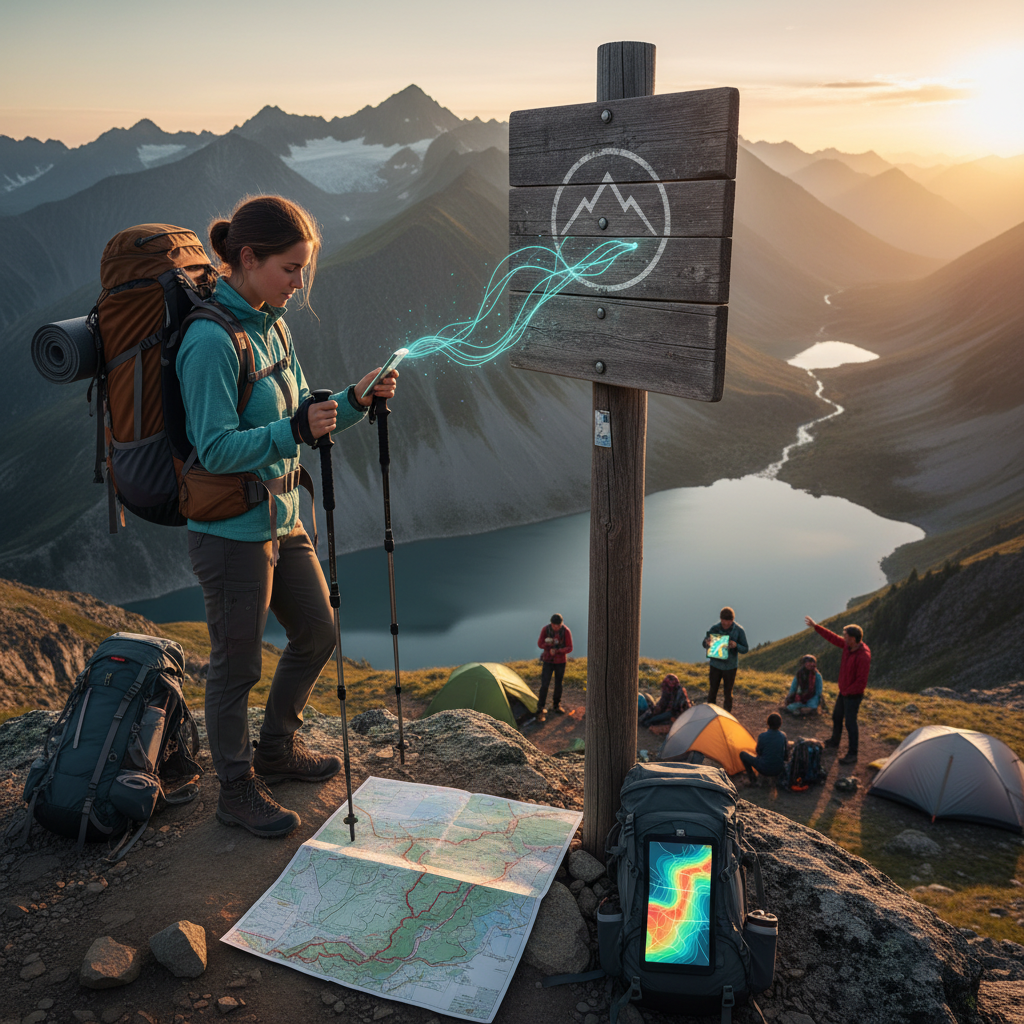
Use authentic, field-based photography that shows your products in real terrain, weather, and activity scenarios, not just controlled studio settings that lack context. Outdoor customers evaluate gear based on performance in specific conditions, so show how a jacket handles rain, how a pack carries weight on a climb, or how boots perform on uneven ground during actual use.
High-quality imagery should support product specifications and trip planning context, not replace them or stand alone without detail. When paired with clear captions, structured headings, and optimized alt text, real-world photography strengthens credibility, increases time on page, and supports conversion by reducing uncertainty around fit, durability, and use case while contributing to search visibility.
FAQ 5: What color palettes work best for the outdoor industry?
Start with a base palette inspired by real environments, forest green, slate gray, sand, stone, or muted earth tones, because they reflect the terrain your audience associates with hiking, fishing, climbing, or backcountry travel and reinforce environmental context. These colors ground your brand visually and align with the outdoor mindset without overpowering product detail.
Use high-contrast accent colors, such as safety orange or deep blue, strategically for calls to action, alerts, or key navigation elements that guide user flow. The goal is clarity and usability, not decoration. A balanced color system improves readability, supports accessibility, and guides users toward booking or purchasing decisions without visual noise while maintaining a strong visual hierarchy.
FAQ 6: Should I include video on my outdoor website?
Video can strengthen both visibility and conversion when it serves a clear purpose within your content strategy. Use it to demonstrate product functionality in real terrain, walk through guide services, or answer common pre-booking questions that customers search for before making a decision during the research phase.
Short homepage clips can introduce environment and context, but performance should come first, especially on mobile. Product-level videos that show setup time, packability, weather resistance, or field use often have the greatest impact on informed buying decisions because they reduce uncertainty. Keep videos concise, compress them properly, and embed them in structured pages so they support SEO and user experience rather than slow it down or disrupt the planning flow.
Section 3: Technical Performance
FAQ 7: How does site speed impact outdoor ecommerce?
Site speed directly affects visibility, engagement, and revenue for outdoor brands by shaping how users interact with your site in real-world conditions. Many customers research gear from rural areas, trailheads, lodges, or while traveling, often on inconsistent mobile connections. If pages load slowly, users leave before comparing products or completing a purchase and engagement signals decline.
Search engines also factor performance metrics into rankings, so slow pages can reduce organic visibility over time across competitive gear and trip-planning terms. Optimizing image sizes, minimizing scripts, improving hosting performance, and using a content delivery network help maintain reliable speed across regions and devices while supporting stronger conversion paths.
FAQ 8: What are the best platforms for web design for the outdoor industry?
The right platform depends on your business model, growth goals, and technical requirements as they relate to search visibility and conversion flow. Gear brands that manage inventory, product variants, and shipping at scale often choose Shopify or BigCommerce for structured ecommerce functionality and reliable checkout performance with minimal technical overhead.
Guide services, lodges, and experience-based brands frequently use WordPress for content depth, booking flexibility, and SEO control across trip guides, seasonal resources, and landing pages. The priority is not the platform name; it is how well the system supports mobile performance, structured content, search visibility, and a streamlined booking or checkout flow that mirrors real trip planning behavior.
FAQ 9: How can I ensure my site is secure for customers?
Site security protects customer trust and long-term brand credibility while safeguarding your booking and e-commerce infrastructure. Start with HTTPS encryption through a valid SSL certificate so all data transferred between users and your site is protected and clearly indicated in the browser.
Use established payment gateways to process transactions so sensitive financial data is not stored directly on your servers or exposed to unnecessary risk. Keep your platform, plugins, and integrations updated, apply strong authentication practices, and run regular security scans to reduce vulnerabilities that could disrupt visibility or sales. Clear privacy policies and visible security indicators also reassure customers during checkout and support a smoother conversion flow.
Section 4: Content & SEO
FAQ 10: What role does SEO play in web design for outdoor brand success?
SEO shapes how your site is structured, written, and built from the start so it reflects real outdoor search behavior. It determines whether your gear pages, trip guides, and service offerings appear when customers search for specific activities, terrain conditions, seasonal timing, or regional experiences.
Integrate intent-driven keywords into product descriptions, landing pages, and educational content without disrupting readability or field credibility. Use clear headings, logical internal linking, fast load times, and structured data so search engines can understand your content and match it to relevant queries across the full research-to-booking journey. When SEO is embedded in the design phase, it supports steady organic traffic and reduces overreliance on paid acquisition while strengthening topical authority over time.
FAQ 11: How do I write product descriptions that sell gear?
Start with real-world use, then support it with clear specifications that reflect search intent. Outdoor customers compare gear based on terrain, weather, weight, durability, and trip type, so explain how each feature performs in specific conditions, not just what it is or how it sounds on paper.
Translate technical specs into practical outcomes. Instead of listing waterproof ratings alone, describe how the jacket performs in sustained rain on a multi-day trek or during shoulder-season hikes. Pair concise, scannable specs with field context, sizing guidance, and common use cases to support informed comparison. Adding structured FAQs and verified reviews on the same page also supports search visibility and reduces pre-purchase friction while reinforcing credibility.
FAQ 12: Should I have a blog on my outdoor website?
A blog supports search visibility and long-term authority when it’s built around real trip planning questions and activity-specific intent. Outdoor brands can publish trail guides, seasonal gear checklists, maintenance tips, safety insights, and field reports that match how customers research before buying or booking a trip or investing in equipment.
This type of content creates opportunities to rank for activity-specific and long-tail queries while strengthening internal links to product and service pages that drive measurable conversions. Consistent, well-structured publishing also signals topical depth and keeps your site aligned with seasonal demand shifts across key outdoor categories.
Section 5: Conversion Optimization
FAQ 13: How can I improve the checkout process for outdoor gear?
Streamline the checkout flow so customers can move from gear comparison to purchase without unnecessary friction. Reduce form fields, remove redundant steps, and keep the path from cart to confirmation clear and predictable.
Offer guest checkout to prevent drop-off from forced account creation. Support multiple payment options, including mobile wallets, to match how customers complete purchases on their phones. Display shipping timelines, costs, and return policies early in the process so buyers can make informed decisions without leaving the page.
FAQ 14: What trust signals are most effective for outdoor brands?
Verified customer reviews, detailed field feedback, and clear warranty policies are among the strongest trust signals for outdoor brands. Buyers investing in gear or booking guided trips want proof of performance in real conditions, not just marketing claims.
Media mentions, industry certifications, and partnerships with recognized guides or athletes can reinforce credibility when presented with context. User-generated photos and trip reports showing your gear in real terrain add practical validation and create additional activity-specific search relevance across your site. When structured correctly on product and service pages, these trust signals reduce hesitation and support stronger booking and checkout completion rates.
FAQ 15: How do I use calls to action effectively?
Use clear, specific language that matches the user’s stage in the buying or booking process. Instead of generic buttons like “Submit,” use intent-aligned phrases such as “Check Availability,” “View Trip Dates,” or “Add to Pack.” The wording should reflect what the customer is actually trying to accomplish based on where they are in the research or trip-planning journey.
Make CTAs visually distinct with purposeful contrast, but keep the design consistent with your brand palette. Place them after key decision points, such as gear specs, trip details, FAQs, or comparison sections, so they appear when intent is highest. Review click-through and completion data regularly to refine placement and messaging over time.