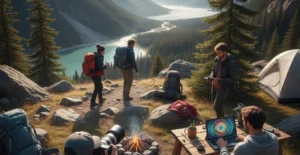

Navigate the digital wilderness to connect with adventurers and grow your brand authentically.
Quick Summary / Key Takeaways
- Authentic storytelling is the cornerstone of effective outdoor brand marketing, fostering trust and community by sharing real experiences from the field, free from polish or exaggeration.
- Prioritize SEO by focusing on how outdoor audiences actually search: location-based queries, gear use cases, seasonal conditions, and long-form planning content that naturally supports discovery.
- Forge genuine partnerships with creators, guides, and complementary brands who already hold credibility in the outdoor space, reinforcing trust rather than simply chasing reach.
- Leverage data to understand how your audience researches, plans, and decides, then fine-tune content and channels to engage and drive action at each stage of that journey.
- Implement a cohesive multi-channel strategy: captivating visual storytelling on social platforms, in-depth articles for research and planning, and email campaigns to nurture long-term relationships.
Introduction

Digital marketing for outdoor brands doesn’t need to feel complicated or unfamiliar. Like any good trip, it works best with a clear plan, the right tools, and an understanding of the terrain. For gear makers, outfitters, guides, lodges, and apparel brands, effective outdoor marketing isn’t about flashy ads or trends; it’s about reaching people who actually spend time outside.
That means connecting through shared experience, practical value, and stories that reflect real days in the field, early starts, changing conditions, and hard-earned moments that matter. This guide focuses on grounded, usable strategies that help outdoor brands grow visibility and relevance without sacrificing the authenticity their community relies on.
You’ll learn how a purposeful digital strategy, including strong SEO built around how outdoor audiences actually search, supports long-term discovery and trust. The goal is straightforward: to support informed, practical marketing decisions using content, audience insight, and data—so your brand stays visible, credible, and relevant to people who genuinely value the outdoors.
Traditional vs. Modern Outdoor Marketing Approaches
| Aspect | Traditional Approach | Modern Approach | Impact on Outdoor Brands Marketing |
|---|---|---|---|
| Reach | Print Ads, Trade Shows | Search-driven content, social platforms | Wider reach with more precise audience targeting |
| Engagement | Brochures, Word-of-Mouth | Field stories, user-generated content | Deeper Connection, Brand Loyalty |
| Measurement | Sales Figures, Foot Traffic | Analytics, conversions, audience behavior | Clearer insight to guide ongoing strategy decisions |
| Authenticity | Expert Endorsements | Community contribution, real-world reviews | Stronger trust built through lived experience |
Key Metrics for Outdoor Brands Marketing Success
| Metric | What It Measures | Why It Matters | Actionable Insight for Outdoor Brands |
|---|---|---|---|
| Website Traffic | How people discover and arrive on your site | Indicates visibility across search, content, and referral channels | Focus SEO on locations, conditions, and use cases, and publish planning-driven content |
| Engagement Rate | Likes, shares, comments on content | Shows whether content aligns with real outdoor interest and use | Prioritize field stories, practical guidance, and opportunities for interaction |
| Conversion Rate | Percentage of visitors who take a meaningful action | Connects content and experience to measurable outcomes | Clarify product context, simplify next steps, and remove friction |
| Customer Lifetime Value | Total value of a customer relationship over time | Reflects trust, repeat engagement, and long-term relevance | Support retention through email, education, and ongoing community touchpoints |
Application Preparation Checklist
- Define clear campaign goals that focus on visibility, audience engagement, and actionable outcomes. Identify and segment the outdoor communities you aim to connect with.
- Develop a content calendar that emphasizes authentic field stories, product insights, and practical adventure guidance that resonates with your audience.
- Set up tracking and analytics from the start to ensure performance is monitored and optimized from day one.
- Ensure alignment between internal teams and external partners on campaign messaging, timing, and how the initiative fits within your overall outdoor marketing strategy.
Post-Arrival Checklist
- Evaluate campaign performance based on your initial goals to identify successes and areas for improvement.
- Foster community engagement by connecting with participants and contributors, gathering valuable feedback.
- Share campaign results and relevant user-generated content across your owned channels to extend your brand’s reach and reinforce its credibility.
- Capture key insights to refine your strategy and improve future campaigns.
Table of Contents

Section 1: Understanding Your Audience & Brand Story
- How do outdoor brands identify their core adventurer audience?
- What makes an authentic brand story for an outdoor company?
- How can outdoor brands maintain authenticity while scaling their marketing efforts?
Section 2: Crafting Engaging Content & Community
- What types of content resonate most with outdoor enthusiasts?
- How can user-generated content (UGC) boost outdoor brands marketing?
- What role do social media platforms play in connecting with outdoor communities?
- How do outdoor brands build and nurture a loyal online community?
Section 3: Digital Visibility & SEO for Outdoor Brands
- What are the essential SEO strategies for outdoor brands?
- How can local SEO benefit outdoor gear shops and guide services?
- What is the importance of keyword research for outdoor brands marketing?
- How do product reviews and ratings impact SEO for outdoor brands?
Section 4: Partnerships & Influencer Marketing
- How can outdoor brands find and collaborate with relevant influencers?
- What makes a successful partnership between an outdoor brand and another business?
Section 5: Measuring Success & Adapting Strategies
- What key metrics should outdoor brands track to measure marketing effectiveness?
- How can data analytics inform and refine outdoor brands marketing strategies?
Frequently Asked Questions
Section 1: Understanding Your Audience & Brand Story
FAQ 1: How do outdoor brands identify their core adventurer audience?
Outdoor brands identify their core audience by digging deeper than basic demographics and focusing on how people engage with the outdoors, their activities, experience levels, motivations, and planning habits. This involves reviewing existing customer data, gathering direct feedback through surveys and conversations, and observing the online communities where outdoor enthusiasts exchange insights. Understanding not just who your audience is, but how and why they interact with the outdoors helps brands tailor their messaging to real-life activities, challenges, and passions, rather than relying on assumptions.
FAQ 2: What makes an authentic brand story for an outdoor company?
An authentic brand story for an outdoor company is shaped by real experiences, shared values, and a deep connection to the outdoors, not polished marketing speak. It’s about more than just products; it reflects the brand’s purpose, its origins, and the rugged conditions it was designed for those long days, hard-earned lessons, and meaningful moments that define it. A well-crafted story aligns the brand’s mission, values, and people with the passions that drive its audience outdoors. When done right, it feels genuine and familiar, like gear that’s been tested, trusted, and carried through real adventures.
FAQ 3: How can outdoor brands maintain authenticity while scaling their marketing efforts?
Outdoor brands maintain authenticity while scaling by keeping their messaging rooted in genuine experiences and core values, no matter how large their reach becomes. This means staying true to the original mission of the brand and avoiding broad, generic messaging that undermines credibility. Engage the community through authentic partnerships, user-generated content, and transparent communication about brand evolution to make growth feel collaborative, not artificial. By focusing on how people actually experience the outdoors, not just the transaction, marketing can scale sustainably without losing its foundation.
Section 2: Crafting Engaging Content & Community
FAQ 4: What types of content resonate most with outdoor enthusiasts?
Content that resonates most with outdoor enthusiasts centers on how people actually use gear, plan trips, and make decisions before and during time outside. This includes practical how-to guidance, field-tested planning content, experience-driven stories, and skill-building or conservation education tied to real conditions. Outdoor audiences look for content that helps them prepare, learn, or evaluate gear, terrain, and conditions, while also reflecting the motivations that pull them outdoors in the first place. High-quality photos and video showing real people in real terrain and weather carry more weight than polished visuals alone. Utility, credibility, and authenticity consistently outperform spectacle over time.
FAQ 5: How can user-generated content (UGC) boost outdoor brands marketing?
User-generated content (UGC) boosts outdoor brand marketing by showcasing real people using your products in real outdoor conditions, which builds trust faster than polished brand messaging. Photos, videos, and reviews shared from the field demonstrate how gear performs, where it excels, and why it matters, providing potential customers with practical, relatable context. UGC enhances credibility through shared experience, strengthens community connections, and keeps your brand visible with content that feels authentic rather than manufactured. It also supports consistent storytelling across channels without losing its grounded, relatable nature.
FAQ 6: What role do social media platforms play in connecting with outdoor communities?
Social media platforms play a key role for outdoor brands by offering direct, two-way channels to engage with outdoor enthusiasts. Platforms like Instagram, Facebook, and TikTok give brands the opportunity to share real-field visuals, tell authentic, experience-driven stories, and foster ongoing conversations instead of relying on one-way promotion. These platforms also support user-generated content, live updates from the field, and timely interaction on topics like trips, conditions, and gear use, ensuring brands stay connected where outdoor inspiration and decisions begin. When used with purpose, social media builds familiarity, trust, and strong community connections.
FAQ 7: How do outdoor brands build and nurture a loyal online community?
Outdoor brands build and nurture loyal online communities by consistently sharing practical, experience-driven value, encouraging genuine interaction, and creating intentional spaces for connection. This includes offering field-tested advice, hosting virtual events tied to real outdoor use, responding thoughtfully to comments, and inviting user contributions from the field. Dedicated forums or private social groups help deepen relationships by giving the community a place to gather beyond the feed. The goal is to make people feel heard, respected, and part of a shared outdoor culture, not just part of a customer list.
Section 3: Digital Visibility & SEO for Outdoor Brands
FAQ 8: What are the essential SEO strategies for outdoor brands?
Essential SEO strategies for outdoor brands include thorough keyword research focused on specific outdoor activities, gear, and locations, optimizing product pages and blog content, building high-quality backlinks, and ensuring a mobile-optimized, fast-loading website. Focus on long-tail keywords that align with how your audience searches for adventure, gear, and experiences. Prioritize technical SEO elements like site speed and schema markup to enhance performance. Strong SEO for outdoor brands ensures your expertise and products are discoverable when adventurers search online.
FAQ 9: How can local SEO benefit outdoor gear shops and guide services?
Local SEO benefits outdoor gear shops and guide services by helping them appear when nearby customers are actively looking to buy gear, book trips, or plan outdoor activities. Keeping your Google Business Profile accurate and updated, with clear hours, location details, photos, and reviews, builds local trust and relevance. Ensure your name, address, and phone number (NAP) are consistent across directories and maps to strengthen your visibility in local search results. This ensures your business is found when potential customers search for terms like “hiking gear near me” or “fly fishing guide in [city]” at the moment they’re ready to make a decision.
FAQ 10: What is the importance of keyword research for outdoor brands marketing?
Keyword research is essential for outdoor brands because it reveals how potential customers search for the right gear, trips, or experiences. It helps identify terms related to activities, conditions, locations, and use cases, so your content answers real questions, not assumptions. By understanding search behavior, brands can develop relevant pages, guides, and resources that meet needs and rank higher in search results. This approach supports visibility across SEO and content channels and ensures that marketing efforts align with customer demand, not guesswork.
FAQ 11: How do product reviews and ratings impact SEO for outdoor brands?
Product reviews and ratings improve SEO for outdoor brands by providing authentic, experience-driven content that highlights how gear and services perform in real-world conditions. Reviews naturally incorporate activity-specific terminology, local conditions, and use cases, which enhances visibility for long-tail searches rooted in outdoor activities. A steady flow of genuine reviews builds trust and authority, boosting relevance with search engines and increasing click-through rates, as potential customers trust peer feedback when planning adventures or purchasing gear. Over time, reviews evolve from simple trust signals into valuable assets that aid discovery and decision-making.
Section 4: Partnerships & Influencer Marketing
FAQ 12: How can outdoor brands find and collaborate with relevant influencers?
Outdoor brands connect with the right influencers by focusing on genuine alignment between the influencer’s audience, values, and outdoor pursuits. Instead of just considering follower count, prioritize engagement rates, content quality, and authenticity. Begin by researching outdoor enthusiasts on social media, reviewing past collaborations, and assessing their community interactions. Reach out directly with a clear, value-driven proposal to form meaningful partnerships that resonate with both the influencer’s audience and your brand.
FAQ 13: What makes a successful partnership between an outdoor brand and another business?
A successful partnership between outdoor brands and other businesses is built on shared values, complementary strengths, and a clear benefit for both communities. It goes beyond simple co-promotion and focuses on creating real-world value, such as a gear brand collaborating with a guide service to offer authentic, use-case-driven experiences. Open communication, clear roles, and mutual agreement on success metrics ensure the partnership remains effective and aligned. When executed well, these collaborations extend reach while reinforcing trust and credibility within the outdoor community.
Section 5: Measuring Success & Adapting Strategies
FAQ 14: What key metrics should outdoor brands track to measure marketing effectiveness?
Outdoor brands should track key metrics that reflect how people discover, engage with, and act on your content, including website traffic by source (organic, direct, referral), conversion rates tied to purchases, inquiries, or bookings, and engagement across relevant social channels. Email performance metrics such as open rates and click-through rates help indicate whether messaging is timely and useful, while customer lifetime value provides insight into long-term trust and repeat engagement. Monitoring brand mentions and organic search visibility helps complete the picture of how your brand shows up during real planning and decision moments. Consistent tracking keeps marketing decisions anchored in performance rather than assumptions.
FAQ 15: How can data analytics inform and refine outdoor brands marketing strategies?
Data analytics helps outdoor brands identify how people search, engage, and convert by uncovering patterns in customer behavior, content effectiveness, and channel performance. Analyzing this data reveals which products, stories, and content truly influence buying decisions and highlights where audiences engage or lose interest. With these insights, brands can optimize messaging, timing, and channel strategy, allocate budget more effectively, and stay relevant across every stage of the customer journey. Consistently leveraging data transforms assumptions into actionable insights, driving smarter, more informed marketing decisions over time.