
Quick Summary / Key Takeaways
- Lead with visual storytelling by sharing high-quality photos and videos that show your gear in real outdoor conditions.
- Build a connected community by engaging directly with followers and encouraging authentic, experience-driven user-generated content.
- Work with credible outdoor athletes, guides, and creators who genuinely use and trust your products.
- Use social channels to educate customers on gear performance, care, and safe outdoor use—not just promotion.
- Review performance data regularly to fine-tune your content strategy and focus on what resonates most with your audience.
Introduction

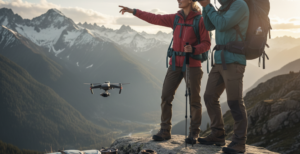
The backcountry isn’t just about trails and peaks; it’s also where your customers connect, share stories, and live the outdoor lifestyle online. For outdoor gear companies, social media isn’t just another channel—it’s a digital campfire where real connections take shape. It’s your digital basecamp, where you show gear doing the work it was built to do.
Your audience wants to see backpacks holding up on multi-day treks, fishing rods under real load, and tents standing strong in rough weather. They want to know the people behind the brand understand the conditions, the demands, and the decisions that matter in the field. This isn’t about polished ads—it’s about earned credibility through real use and firsthand experience.
This guide shares seven practical, experience-driven tips to help your outdoor gear brand navigate social media with purpose. We’ll show you how to cut through the noise without shouting, build a following that trusts you, and turn engagement into long-term brand loyalty. It’s about showing up as a trusted guide in the space—not just another brand chasing attention.
Key Social Media Platforms for Outdoor Brands
| Platform | Best For | Content Focus | Engagement Style |
|---|---|---|---|
| Visual storytelling | High-res photos/videos | Community building, UGC | |
| YouTube | In-depth reviews | How-to guides, Product demos | Educational content |
| Community groups | Event promotion, Long-form posts | Direct customer service | |
| TikTok | Short-form video | Behind-the-scenes, Quick tips | Trend participation |
Content Pillars for Outdoor Gear Social Media
| Pillar | Goal | Example Content | Success Metric |
|---|---|---|---|
| Inspiration | Spark adventure | Epic trail shots, Gear in action | Shares, Saves |
| Education | Inform users | How-to videos, Gear care tips | Comments, Website clicks |
| Community | Build loyalty | User spotlights, Q&A sessions | Mentions, Direct messages |
| Product Focus | Showcase gear | Feature breakdowns, New launches | Sales conversions |
Social Media Setup Checklist for Outdoor Brands
- Define your core outdoor audience and the platforms they actually spend time on.
- Build a content calendar with clear, repeatable themes—adventure, education, and community.
- Establish a consistent visual style and voice that reflects real outdoor use, not polish.
- Set up analytics from day one to track reach, engagement, and content performance.
Ongoing Social Media Optimization Checklist
- Review performance on a regular cadence to see which posts earn attention and interaction.
- Respond to comments and messages to keep conversations active, human, and two-way.
- Source and reshare authentic user-generated content that shows your gear or services in real conditions, with proper credit.
- Test new formats like Reels, Shorts, or live Q&As to learn how your audience prefers to engage.
Table of Contents

Section 1: Crafting Your Authentic Story
- What kind of stories resonate most with outdoor enthusiasts?
- How can we show our gear’s durability and performance authentically?
- What role does user-generated content play in building trust?
Section 2: Building a Vibrant Community
- How do we encourage genuine interaction and conversation on our posts?
- What are effective ways to run social media contests or giveaways for outdoor gear?
- How can we use social media to gather product feedback from our community?
Section 3: Visuals That Inspire Adventure
- What makes a photo or video truly stand out in the outdoor niche?
- Should we prioritize professional photography or real-world adventure shots?
- How can short-form video formats like Reels benefit our brand?
Section 4: Strategic Partnerships and Reach
- Who are the best types of influencers for outdoor gear brands to partner with?
- How do we measure the success of an influencer collaboration?
- What are the benefits of cross-promoting with other outdoor brands?
Section 5: Educating and Empowering Your Audience
- How can we use social media to share valuable outdoor skills and knowledge?
- What’s the best way to present gear maintenance tips on social platforms?
- How do we balance educational content with product promotion?
Frequently Asked Questions
Section 1: Crafting Your Authentic Story
FAQ 1: What kind of stories resonate most with outdoor enthusiasts?
Stories grounded in real, firsthand experiences resonate most with outdoor enthusiasts—moments of problem-solving, perseverance, and connection to the landscape. Show how your gear supports the experience without becoming the hero. Focus on the journey, conditions, decisions, and lessons learned instead of polished outcomes or feature lists. Stories of resilience, discovery, and time spent outside feel credible because they mirror why people head outdoors in the first place. Authentic, experience-first storytelling builds trust and keeps your brand grounded and relatable.
FAQ 2: How can we show our gear’s durability and performance authentically?
Show your gear doing real work in real conditions—on long days, rough terrain, and changing weather—not staged in a controlled studio. Feature field footage of products holding up to wind, rain, cold, and repeated use by people who depend on them in the field. Pair that with straightforward testimonials and lightly edited clips from guides, testers, or customers sharing firsthand experience. This kind of proof feels earned, not staged, and shows performance the way adventurers actually experience it.
FAQ 3: What role does user-generated content play in building trust?
User-generated content (UGC) builds trust because it shows real people using your gear in real outdoor conditions. When customers see peers testing products on actual trips—not staged shoots, it reinforces credibility and sets realistic expectations. Encouraging, collecting, and sharing UGC—while clearly crediting the creator—helps your brand feel grounded, approachable, and community-driven. This kind of social proof often carries more weight than brand-led messaging because it reflects firsthand experience from the field.
Section 2: Building a Vibrant Community
FAQ 4: How do we encourage genuine interaction and conversation on our posts?
Ask open-ended questions that invite real stories and practical insight from the field—for example, “What trail snack never leaves your pack?” or “What’s one camp tip you learned the hard way?” Respond consistently and with intent to comments to turn replies into ongoing conversations, not one-offs. Use simple polls, quick quizzes, and ‘this or that’ prompts to lower the barrier to engagement and gather useful feedback. Most importantly, show genuine interest in the experiences people share so your feed feels like a place to contribute, not just scroll past.
FAQ 5: What are effective ways to run social media contests or giveaways for outdoor gear?
Design contests that encourage meaningful participation and reflect how your gear is actually used, such as asking followers to share a real-world field photo with a branded hashtag or tag the friends they’d take on a trip. Keep the focus on experience, not hype. Clearly outline the rules, timing, and prize so entry feels straightforward and fair. Promote the giveaway across your most active channels and consider teaming up with a like-minded outdoor brand to expand reach naturally. Most importantly, choose a prize that your audience would genuinely use in the field, not something that feels disconnected from their adventures.
FAQ 6: How can we use social media to gather product feedback from our community?
Create posts that clearly invite specific input on products, design details, or real-world use cases using polls or open comment prompts. Host live Q&A sessions with product designers or field testers so followers can ask questions and share feedback in real time. Use Story tools like question stickers and quick polls to gather low-friction, in-the-moment insight. Close the loop by acknowledging suggestions, sharing what you learned, and highlighting when community feedback directly informs updates or future gear decisions.
Section 3: Visuals That Inspire Adventure
FAQ 7: What makes a photo or video truly stand out in the outdoor niche?
High-quality visuals stand out when they tell a clear story, capture real, unscripted moments, and reflect how your gear is actually used in the field. Focus on natural light, strong composition, and true conditions rather than controlled setups. Skip overly staged shots in favor of visuals that convey the feel of the place—the scale, the effort, and the environment. Including people in the frame helps ground the scene and shows the gear doing its job as part of the experience, not sitting on display.
FAQ 8: Should we prioritize professional photography or real-world adventure shots?
Prioritize real-world adventure shots over polished studio photography, even when lighting or conditions aren’t perfect. In the outdoor space, authentic use carries more weight than flawless presentation. People want to see gear holding up through real terrain, weather, and long days—not just staged environments. Professional photography still has a place for showing fit, construction, or key details, but it should support—not replace—field-driven visuals. This balance keeps your feed credible, relatable, and grounded in real use.
FAQ 9: How can short-form video formats like Reels benefit our brand?
Short-form video formats like Reels or TikTok are effective because they deliver quick, engaging snapshots of real-world outdoor use. They’re well-suited for showing gear in action, sharing practical, field-tested tips, or capturing moments from the field without overproduction. Their built-in discoverability helps introduce your brand to new audiences who are already seeking outdoor ideas and inspiration. Use short-form video for behind-the-scenes looks, quick gear walkthroughs, or brief adventure clips that reflect how your products are actually used. When done with intention, these videos earn attention without feeling forced.
Section 4: Strategic Partnerships and Reach
FAQ 10: Who are the best types of influencers for outdoor gear brands to partner with?
Partner with credible outdoor users—guides, athletes, and content creators who actually rely on your gear day in and day out in real conditions, not just large accounts with broad reach. Prioritize smaller, highly engaged creators with niche audiences over macro-influencers, since their experience and trust carry more influence with serious outdoor customers. Look for alignment in values, use cases, and environment so the partnership feels natural and grounded in real use rather than promotion. When the person using your gear lives the same conditions as your audience, the message lands with more credibility.
FAQ 11: How do we measure the success of an influencer collaboration?
Measure success by looking past follower counts and focusing on signals that reflect real, field-level impact. Track engagement on sponsored posts—comments, saves, and shares—to see whether the content actually resonates with the right audience. Use unique links or codes to understand how much site traffic and booking-related activity the collaboration drives. Pay attention to brand mentions and the quality of user-generated content that follows, since that shows whether the partnership sparked credible interest. The strongest collaborations create sustained awareness and trust, not just a short spike in attention.
FAQ 12: What are the benefits of cross-promoting with other outdoor brands?
Cross-promoting with complementary outdoor brands helps you reach new, highly aligned audiences who already share the same interests and spend time in the same environments. It also reinforces credibility by aligning your brand with others that are trusted and field-tested. Look for partners whose products don’t compete with yours but naturally support the same trips, conditions, or users. Joint giveaways, co-created content, or shared campaigns let both brands deliver real value without forcing the partnership.
Section 5: Educating and Empowering Your Audience
FAQ 13: How can we use social media to share valuable outdoor skills and knowledge?
Create short, practical videos that teach essential outdoor skills like knot tying, fire starting, or basic navigation in real-world conditions. Share clear visuals or simple graphics around topics like Leave No Trace, trip planning, or packing for specific terrain and seasons. Host live Q&A sessions with guides, instructors, or experienced team members who actively spend time in the field. When you focus on useful knowledge—not promotion—you position your brand as a dependable resource people return to for guidance, not just gear.
FAQ 14: What’s the best way to present gear maintenance tips on social platforms?
Use clear, practical video tutorials for hands-on maintenance tasks like cleaning a water filter or patching a tent in the same conditions people actually use their gear. Create simple, visual step-by-step guides with images and short captions for quicker tips. Break longer processes into short, focused segments that are easy to save and revisit. Emphasize how proper maintenance keeps gear reliable in the field, extends its working life, and supports safety. The goal is to make upkeep feel approachable and routine, not technical or overwhelming.
FAQ 15: How do we balance educational content with product promotion?
Follow a clear, value-first approach by making most of your content useful on its own—teaching practical skills, sharing field-tested insight, or showing how people actually spend time outside—while letting product mentions support the story instead of leading it. Educational or experience-driven posts can naturally include your gear in use, showing how it fits into real situations without breaking the flow. When you do share product-focused content, keep it intentional and specific, tied to a clear reason such as introducing new gear or explaining when and why it matters in the field. This keeps your feed grounded, credible, and helpful—not promotional for the sake of promotion.